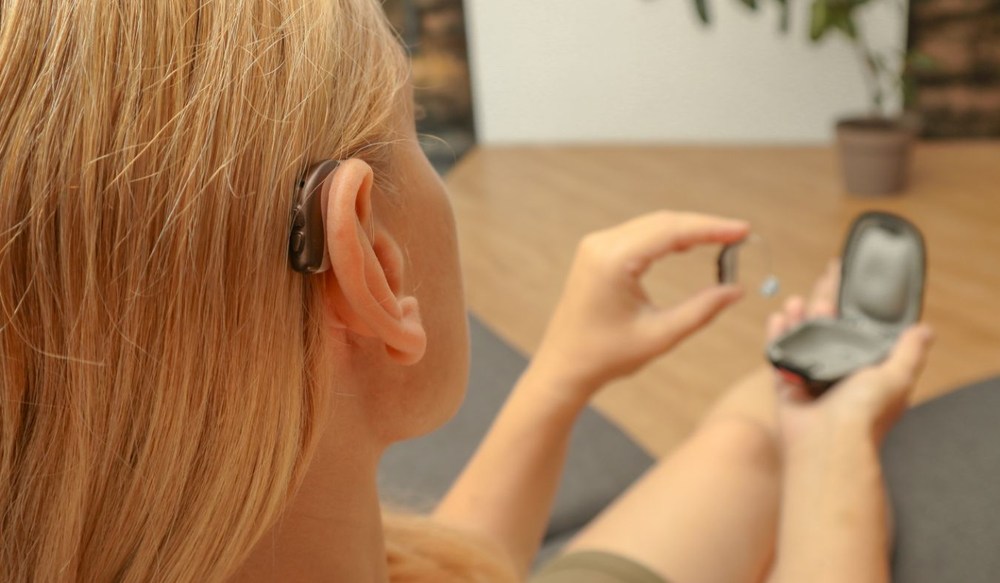
Hearing loss affects much more than the ability to keep up with conversations or adjust the volume on the television. When hearing becomes affected, it can influence emotional and psychological well-being in ways that are easy to overlook. Everyday situations like phone calls or group conversations may feel more frustrating, and over time some people step back from activities they once enjoyed, which can add to feelings of disconnection.

What makes this link between hearing and mental health challenging is how gradually it often develops. Changes like irritability, a sense of isolation or heightened worry can build over time and many people do not immediately connect them to hearing difficulties. Recognizing this connection is an important step, and an audiologist can provide guidance on options that address both communication and quality of life.

How Hearing Loss Can Influence Your Mental Health

Hearing loss can quietly influence mental health in ways that are not always obvious at first. Struggling to follow conversations or missing important details can create frustration, and over time, this may lead to stress or a sense of being left out. Some people begin to avoid social situations because they worry about keeping up, which can increase feelings of isolation. These experiences do not just affect communication but can also shape mood, confidence and overall outlook. Understanding how hearing and mental health are connected is an important step toward finding support and improving daily life.

Communication Barriers That May Lead to Social Isolation

When it becomes difficult to keep up with conversations, you might start avoiding social situations. This can lead to spending more time alone and missing out on activities you once enjoyed. Feeling left out or misunderstood is common when communication is tough. Letting friends and family know about your hearing needs can help. Ask people to speak clearly, face you when talking or choose quieter places for gatherings. These small changes can make conversations easier and help you stay connected.

How Hearing Loss Can Affect Relationships With Loved Ones

Hearing loss can influence relationships by making everyday communication more difficult. Missed words or unclear conversations can sometimes lead to frustration, not just for the person with hearing loss but also for family members who want to be understood. These challenges may cause interactions to feel less natural, and in some cases, people may choose to step back from certain situations. Partners, friends or relatives might also feel uncertain about the best way to support their loved one. Finding solutions for hearing loss can reduce these barriers and make it easier to stay connected on a more personal level.

The Role of Fatigue in Mental Health with Hearing Loss

Living with hearing loss often requires extra effort to process conversations and environmental sounds, and this constant focus can lead to mental fatigue. Over time, the exhaustion that comes from straining to hear can take a toll on emotional well-being. This ongoing fatigue can quietly add to stress or anxiety, making it harder to enjoy social activities or maintain balance in daily life. Recognizing the connection between hearing loss, fatigue and mental health is an important step toward finding strategies that ease the burden and restore energy.

The Connection Between Hearing Loss and Emotional Changes

Hearing loss can lead to changes in how you feel and react to everyday situations. Many people notice they become more irritable, anxious or withdrawn from social activities. These feelings often come from the extra effort needed to communicate, which can be tiring.

Managing Stress and Anxiety Linked to Hearing Challenges

Finding ways to manage stress and anxiety related to hearing challenges is important for your well-being. When communication feels difficult, stress can build up, but there are practical ways to help. To manage stress and anxiety linked to hearing loss, try these steps:

  • Practice deep breathing or relaxation exercises.
  • Keep a regular sleep schedule.
  • Stay active with light exercise.
  • Talk openly with trusted friends or family about your feelings.
  • Consider joining a support group for people with hearing loss.

Practical Ways to Communicate Better with Hearing Loss

Building strong communication skills helps you stay connected and enjoy time with others. Try facing the person you are speaking with and ask them to speak clearly, but not shout. Using written notes or text messages, choosing quiet places for conversations and letting others know about your hearing needs are all helpful ways to make communication easier.

Simple Steps to Care for Your Mental Health with Hearing Loss

Caring for your mental health while living with hearing loss often starts with small but meaningful habits. Taking regular breaks after long conversations, practicing relaxation techniques like deep breathing and keeping a consistent sleep routine can all help reduce stress. Staying socially connected is also important, whether through in-person visits, video calls or support groups that understand the challenges of hearing loss. Many people also benefit from setting realistic boundaries, like letting others know when they need to slow down or repeat something. These simple steps create space for balance, helping you protect both your emotional well-being and your overall quality of life.

Moving Forward with Better Hearing and Mental Health

Hearing loss can affect how you feel and interact with others, but there are steps you can take to support your mental health. Staying connected with friends and family, practicing good communication habits and being open about your hearing needs all help reduce feelings of loneliness or stress. If you notice changes in your mood or find it harder to enjoy social activities, scheduling an appointment with an audiologist is the next step.

Talking with an audiologist can provide guidance tailored to your needs and help you find solutions that fit your lifestyle. Taking action now may improve both your emotional well-being and daily life. Caring for both your hearing and mental health matters can help to improve your quality of life.