You probably don’t think about your hearing every time you miss a word in conversation. Maybe someone was speaking quietly, the room was busy or your attention was somewhere else for a moment.

Most of the time, there’s an easy explanation, especially when you still hear well in plenty of other situations.

But when those moments begin showing up more often, you may start wondering whether there’s another reason. Early hearing changes often begin with small differences in what you catch during the day, long before hearing feels like an obvious concern.

How Do Your Ears Work

Your ears are taking in sound throughout the day, even when you aren’t thinking about listening. The outer ear directs sound into the ear canal, where it reaches the eardrum and causes it to move.

Small bones behind the eardrum carry that movement into the cochlea, a fluid-filled part of the inner ear. Different areas inside the cochlea respond to different pitches and send signals along the auditory nerve.

Your brain reads those signals as voices, words and sounds around you. Since different pitches are processed in different areas, early hearing changes may cause you to miss parts of speech while other sounds still seem normal.

Difficulty Following Conversations in Busy or Noisy Places

A busy restaurant or family gathering puts several voices and other sounds in the same space.

You may hear that someone is talking but miss a few words when another conversation or nearby noise overlaps their voice. Keeping up may take more concentration than it used to, particularly when several people are speaking.

You might find yourself watching someone’s face or using the rest of the sentence to figure out a word you missed. If this happens regularly, it may be an early sign that certain speech sounds aren’t coming through as well as they once did.

Needing Higher Volume on the Television Phone or Other Devices

Your usual volume settings can become a useful comparison when your hearing begins to change. A television that once sounded comfortable at 20 may gradually end up at 25 or 30.

On the phone, you might turn the call volume all the way up and still find certain voices difficult to hear.

You may do the same with podcasts, videos or the car stereo without thinking much about it. These changes can happen gradually enough that someone else notices the higher volume before you do.

Mishearing Words and Giving Answers That Do Not Seem to Fit

Sometimes a hearing change becomes apparent through your response rather than through something you realize you missed. Someone may ask what time you’re leaving, and you answer as though they asked where you’re going.

You heard enough of the sentence to respond, so you may not realize anything was misheard until they correct you.

These exchanges can seem like simple misunderstandings at first. When they happen repeatedly, they may point to words being heard differently from how they were spoken.

Ringing, Buzzing or Other Ongoing Sounds in Your Ears

A ringing sound can be easy to dismiss when it lasts only a few seconds. You might also hear buzzing, humming or another sound that no one else around you hears.

For some people, it comes and goes, while others hear it for longer stretches. This is called tinnitus, and it can sometimes occur alongside hearing loss.

It doesn’t automatically mean your hearing has changed, though. If the sound keeps returning, a hearing test can check whether there are changes in your hearing that you haven’t noticed yet.

Simple Self Checks to Notice Changes in Your Hearing

Hearing changes can happen slowly enough that they become part of your routine before you realize anything is different. Checking a few familiar situations from time to time may reveal differences you hadn’t considered.

You can try:

    • Check whether your usual television or phone volume has increased over the past few months.
    • Ask yourself whether you’re turning one ear toward people more often during conversation.
    • Compare how a phone call sounds in your right ear and your left ear.
    • See whether you still hear familiar sounds from another room, like the microwave or washing machine signal.
    • Think about whether you’ve started using captions more often for television shows or videos.
    • Notice whether you’re asking people to repeat specific words during conversations.

When to Visit an Audiologist and What to Expect Next

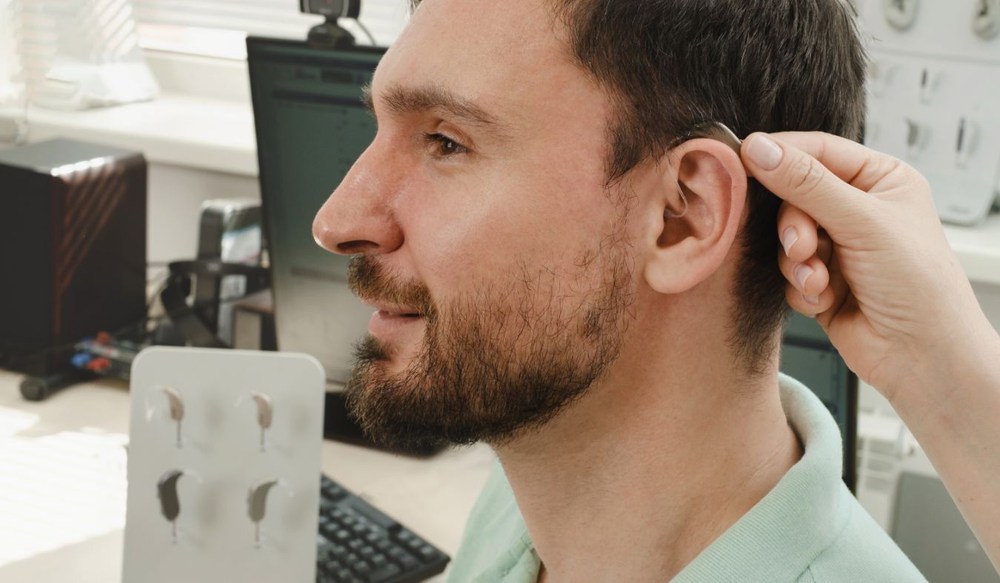
An audiologist will ask what you’ve been hearing differently, look inside your ears and test how you respond to tones and speech. Afterward, they can explain whether your hearing has changed and what the results mean for the situations you’ve been noticing.

Understanding Early Hearing Changes

Hearing is easy to take for granted when most of your day still sounds the way you expect. A few changes here and there may not seem like enough to think much about.

Once you start questioning whether you’re hearing differently, though, you don’t have to keep wondering. A hearing test can answer that question and show you where your hearing stands.

They’ll go over your results with you and explain anything that needs further discussion. Schedule an appointment with an audiologist to have your hearing checked and talk about what you’ve been noticing.