
Choosing a hearing aid involves more than thinking about how well you want to hear. You’ll also be wearing the device for hours at a time as you move through your usual routine.
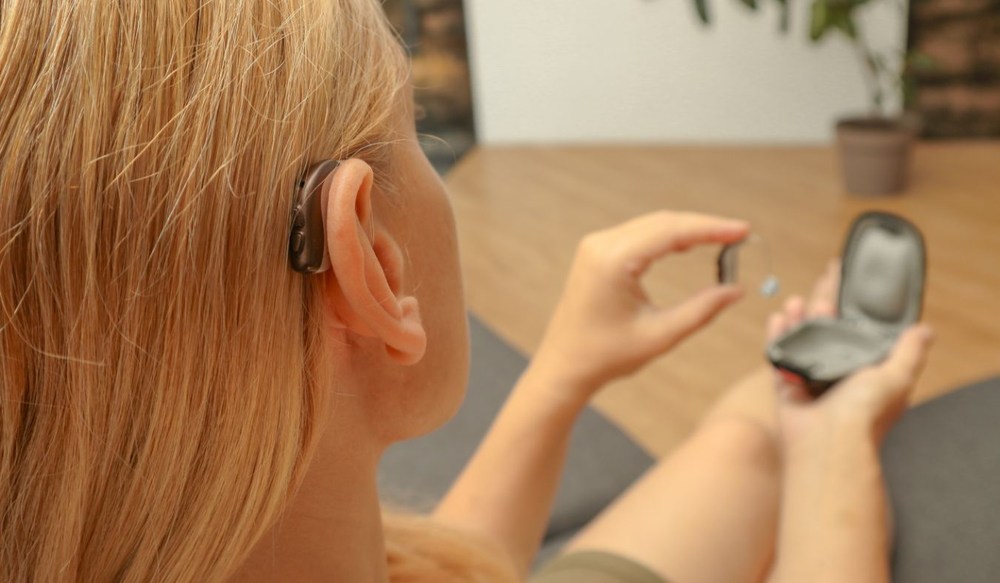
Behind-the-ear and in-the-ear hearing aids support the same purpose, but wearing each style can be a different experience. Looking at how the two compare can prepare you to discuss which style feels right for your hearing needs and daily habits.

How Do Hearing Aids Work?

Small microphones on a hearing aid pick up the sounds around you and convert them into a digital signal. The device processes that signal using settings programmed for your hearing levels, including the pitches where you need additional volume.

A small receiver sends the processed sound into your ear alongside sounds you already hear without amplification.

The settings also respond differently depending on what you’re listening to and the amount of sound around you. Since hearing aid programming is based on individual hearing test results, two people wearing the same model won’t necessarily hear it the same way.

What are Behind-the-Ear (BTE) Hearing Aids

Behind-the-ear hearing aids have a small case that sits behind your ear and holds the microphones, processor and other electronics. The microphones pick up sound, and the processor adjusts it according to the settings programmed for your hearing.

That sound travels into your ear through thin tubing or a wire connected to an earpiece. Some BTE hearing aids use a custom earmold, while others have a smaller piece that sits in the ear canal.

The case behind the ear also holds the controls and the battery or rechargeable components. BTE hearing aids come in different sizes and setups, so they don’t all sit or feel the same when worn.

What are In-the-Ear (ITE) Hearing Aids

In-the-ear hearing aids combine the working parts of the device into one piece worn in the ear rather than behind it. Depending on the model, the shell may fill part of the outer ear or sit farther inside the ear canal.

Sounds enter through an opening on the device, where they’re converted and adjusted using your programmed hearing settings. The speaker then delivers the sound from the same unit into your ear canal.

Many ITE devices are molded to match the individual ear, which impacts how they sit and where buttons or other controls are located. The amount of space inside the shell also determines which controls, battery options and other components can fit within the device.

Comfort and Fit Differences Between BTE and ITE Styles

A comfortable hearing aid should stay secure without creating sore spots, rubbing or a plugged feeling after several hours of wear. With BTE styles, comfort can depend on the shape of the earmold or dome, tubing length and how firmly the earpiece sits.

ITE comfort is impacted by how closely the shell follows the contours of your ear and whether movement from talking or chewing changes the fit.

Earwax buildup or changes in the ear canal can also alter how an ITE device feels. Both styles may need small physical adjustments after fitting, since an initial fit doesn’t always reflect how the device will feel after a full day of wear.

Matching Each Hearing Aid Style to Your Daily Activities

The way you spend your day may bring up practical questions that don’t come to mind during a hearing aid fitting.

You might need to change the volume with work gloves on or stream several hours of audio during your shift. Some days may keep you away from a charger from early morning until late evening.

Work around dust, sweat or moisture also puts different demands on the device itself. Comparing BTE and ITE models around situations you encounter keeps the discussion focused on how you’ll use them.

Working with an Audiologist to Choose Between BTE and ITE

Your hearing test gives your audiologist specific information about which pitches need amplification and how much adjustment is needed. Certain BTE and ITE models have different fitting ranges, so not every device will suit every hearing level.

Your audiologist will also examine your ears and consider whether the size or shape of the ear canal limits certain options. Venting may come into the discussion as well, especially if your own voice sounds unusually loud when your ear canal is covered.

After a device is programmed, your audiologist can measure the sound reaching your eardrum while you’re wearing it. These measurements check the settings against targets calculated from your hearing test.

You can also describe how speech and other sounds come across while adjustments are being made. More than one BTE or ITE model may meet your hearing needs, so the final choice can include your preferences alongside the test results.

Finding the Right Fit for You

The right style won’t be decided by a single feature on a product list. You might care about how often you need to handle the device, which controls you use or how much upkeep fits your schedule.

Those preferences are different for everyone, and they’re just as important to discuss as the other details. Spending time with each option can also bring up questions you wouldn’t think to ask beforehand.

You don’t need to arrive at an appointment already set on BTE or ITE hearing aids. Bring up what you want from your devices and any concerns you have about wearing or handling them.

An audiologist can check which models suit your hearing and let you compare options that meet those requirements. Schedule an appointment with an audiologist, if you are looking at different hearing aids.