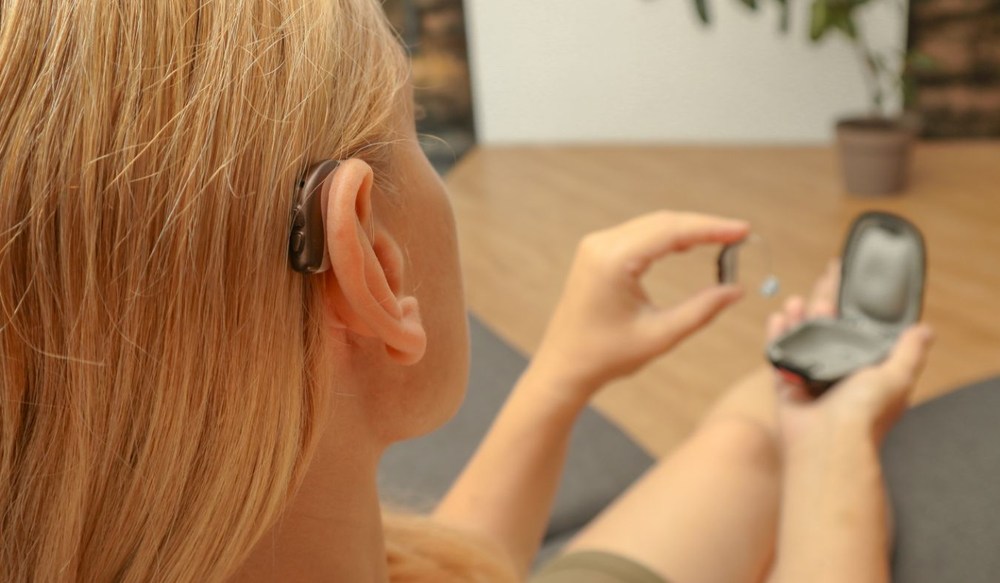
Bone conduction hearing aids take a different approach than traditional devices, and that difference can matter depending on your hearing needs. Instead of sending sound through the ear canal, they deliver sound through the bones of the skull so it can reach the inner ear in another way.

For some types of hearing loss, especially when the outer or middle ear is not carrying sound effectively, this option may make conversations and daily sounds clearer. Exploring your options with an audiologist is a practical step that allows you to focus on what works best for how you hear and live each day.

How Bone Conduction Hearing Aids Support Everyday Hearing

Bone conduction hearing aids support everyday hearing by providing another way for sound to reach the inner ear. When the outer or middle ear does not carry sound effectively, this approach can help improve clarity in conversations and common listening situations.

Voices may sound more distinct, which can make it easier to follow discussions at home, at work or in public spaces. This added access to sound can reduce the need to constantly ask others to repeat themselves.

These devices can also make daily activities more manageable. Whether you are talking with family, participating in meetings or listening for important cues in your environment, clearer sound can improve awareness and communication.

Many people find that having a solution tailored to their specific type of hearing loss helps them feel more confident in routine interactions. Choosing the right support allows hearing to feel more consistent throughout the day.

What is the Difference Between Bone Conduction and Traditional Hearing Aids

The main difference between bone conduction and traditional hearing aids is how sound reaches the inner ear. Traditional hearing aids send sound through the ear canal, where it travels through the outer and middle ear before reaching the inner ear.

This works well when those parts of the ear are able to carry sound effectively. Bone conduction devices take a different route, allowing sound to reach the inner ear without relying on the ear canal in the same way.

This distinction matters for people whose hearing loss is linked to problems in the outer or middle ear. If sound is not moving efficiently through those areas, simply making it louder may not solve the issue.

Bone conduction technology offers another way to deliver sound when the usual pathway is not working as it should. Knowing this difference can help you and your audiologist decide which option is more appropriate for your specific hearing needs.

Who May Be a Good Candidate for Bone Conduction Devices

Bone conduction devices may be a good option for individuals whose hearing loss involves the outer or middle ear rather than the inner ear. This can include people who experience ongoing ear infections, drainage issues or structural differences that make wearing traditional hearing aids ineffective.

They may also be considered for individuals with single-sided hearing loss, where one ear hears normally and the other does not. In these situations, sending sound through bone vibration can provide access to sound in a different way.

Candidacy depends on the specific cause and degree of hearing loss, as well as overall ear health. A thorough hearing evaluation helps determine whether this approach is appropriate and likely to provide benefit.

If traditional devices have not worked well or cannot be worn consistently, discussing alternatives with an audiologist can clarify your options. Knowledge of the reason behind your hearing loss is an important step in deciding whether a bone conduction device is a suitable choice.

Questions to Ask an audiologist About Bone Conduction Hearing Aids

If you are considering bone conduction hearing aids, it helps to come prepared with clear questions for your audiologist so you can make an informed decision. You might ask:

  • Is my type of hearing loss likely to benefit from bone conduction technology?
  • How would this option compare to traditional hearing aids for my specific needs?
  • What kind of daily care or maintenance is involved?
  • Are there situations where this device may not perform as well?
  • What results should I realistically expect in conversations and public settings?

Having this discussion allows you to better understand whether this approach fits your hearing goals and daily routine before making a commitment.

Practical Next Steps If You Are Thinking About a Bone Conduction Device

If you are thinking about a bone conduction device, the first practical step is to schedule a comprehensive hearing evaluation. This allows your audiologist to determine the type and degree of your hearing loss and whether this option is appropriate for you.

Be prepared to discuss your medical history, past experiences with hearing aids and the listening situations that are most challenging. Clear information at the start helps guide the decision in a focused and realistic way.

It is also helpful to ask about what the fitting process involves and what kind of follow-up care you can expect. Understanding the timeline, potential adjustments and daily maintenance requirements will give you a clearer picture of what using the device would look like.

Taking these steps keeps the process organized and informed rather than uncertain. With the right guidance, you can decide whether a bone conduction device fits your hearing needs and daily life.

Choosing Bone Conduction Hearing Aids with Clear Expectations

Bone conduction hearing aids are not a one size fits all answer, but they can be a strong match when the outer or middle ear is the main source of trouble or when one ear no longer responds to sound. A careful hearing test and an honest talk about your lifestyle can show whether bone conduction hearing aids are right for you.

If you are interested in whether bone conduction hearing aids could help in your specific case, schedule an appointment with an audiologist. At that visit, you can review your test results together, try a device on a soft band or headband and compare what you hear with and without it.