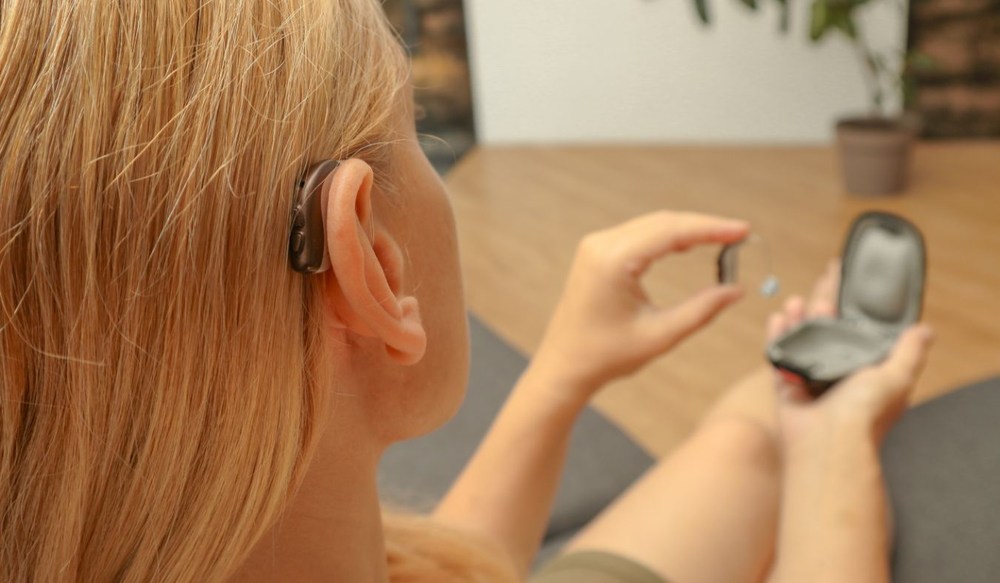
You’ve heard your own voice for so long that you probably don’t give its sound much thought. Once you put on hearing aids, though, a small difference in your voice can be hard to miss.
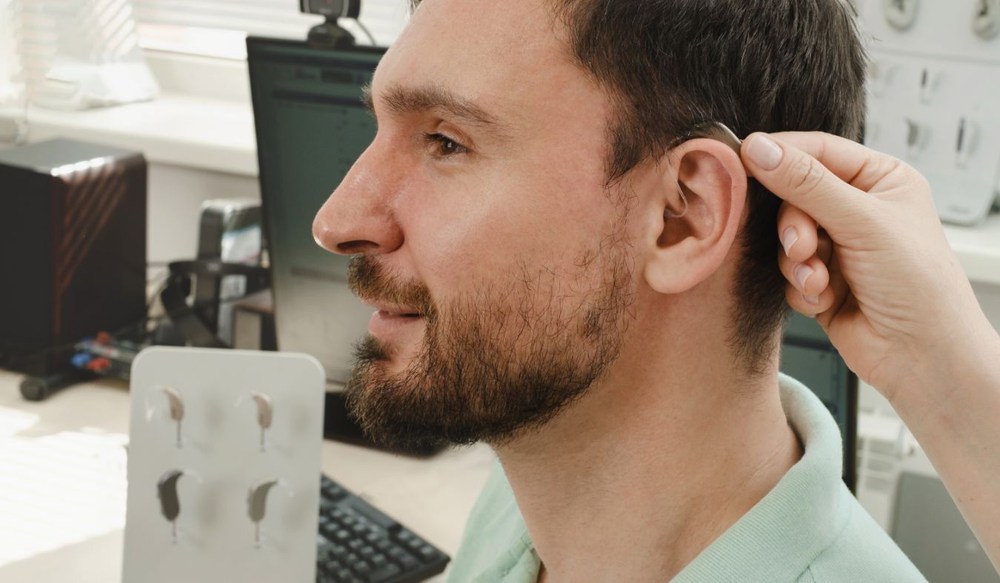
You’re still talking the way you always have, but what you hear may not sound quite like what you expected.

That difference can feel strange during the first few days of wearing hearing aids. It’s one of those early adjustments that often brings up questions once you’ve had some time to listen.

Why Your Voice Sounds Different with New Hearing Aids

When you speak, you hear your voice through sound traveling through the air and vibrations moving through the bones of your head. Hearing aids amplify parts of that airborne sound you may not have heard as strongly before.

Your own speech is included, so your voice may sound louder, deeper or sharper than you remember. The hearing aid’s fit can change your voice too.

A dome or earmold that closes more of the ear canal may make lower frequencies sound stronger. Audiologists call this the occlusion effect, which is why your voice may seem like it’s coming from deeper inside your head.

How Your Brain Adapts to Your New Voice

Your brain is constantly comparing incoming sound with patterns it already knows. When hearing aids change the balance of your own voice, the brain has to update that reference.

Repeated exposure gives it more chances to sort out which parts of the sound are new and which parts still belong to you. As that process continues, your voice requires less active attention because the brain no longer treats the change as something unusual.

Typical Timeframes for Getting Used to Your Own Voice

There isn’t one set amount of time for your own voice to start sounding familiar again, and the adjustment can vary depending on several factors:

    • During the first few days, your voice may stand out every time you speak.
    • After a week or two, you may spend longer stretches talking without thinking about how your voice sounds.
    • Several weeks may be needed if the change in your voice was especially strong when you first started wearing hearing aids.
    • Wearing your hearing aids regularly gives your brain more time with the sound than taking them on and off throughout the day.
    • If your voice still sounds uncomfortable after several weeks, mention it to your audiologist rather than assuming you need more time.

Hearing Aid Adjustments That Can Affect Your Voice

Compression settings can also change how your devices respond when your voice gets louder or softer during conversation. Some hearing aids have features that recognize your own speech and handle it differently from other sounds in the room.

These settings can be changed one at a time, which gives your audiologist more control over how your voice comes through without changing everything else you hear.

When to See an Audiologist About Voice Concerns

If your own voice still sounds uncomfortable after you’ve had some time to wear your hearing aids, bring it up with your audiologist. You should also mention changes that make you speak more quietly, avoid talking or remove the devices during longer conversations.

Try to describe what sounds wrong, since a hollow voice may point to something different than one that seems too loud or sharp.

Your audiologist can check the programming and how the hearing aids sit in your ears. They can then make specific adjustments based on what you’re hearing rather than changing the overall sound of the devices.

Daily Habits to Practice Speaking with Hearing Aids

Speaking regularly while wearing your hearing aids gives you time to hear your voice during normal conversations. When you’re by yourself, you can read a few pages aloud or simply talk through something you’re doing.

Once that feels familiar, try speaking in different rooms since the space around you changes what reaches your ears.

Your voice might sound different in a carpeted bedroom than it does in a kitchen with hard floors and bare walls. You can also make an occasional voice recording and listen back to hear how your speaking volume compares with what you heard while talking.

Doing these things during your usual routine keeps you talking with your hearing aids on instead of treating speaking practice like a separate exercise.

Feeling Comfortable with Your Voice and Hearing Aids

After a while, you may find yourself talking without thinking as much about how your voice sounds through your hearing aids. Conversations may feel less unfamiliar as you spend more time speaking while wearing them.

There isn’t a set deadline for adjusting, and you don’t need to ignore a sound that continues to bother you. Your voice is something you hear throughout the day, so it should feel comfortable when you speak.

If your voice still sounds hollow, sharp or louder than expected, make a note of what you’re hearing. Schedule an appointment with your audiologist to discuss your concerns and have your hearing aids checked.