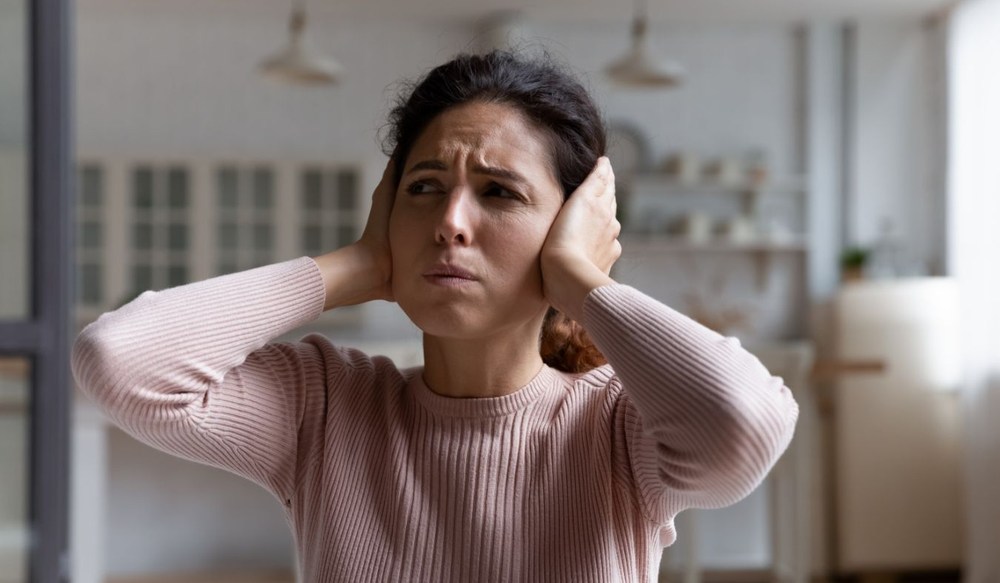
If you’ve ever heard a high-pitched whistling or squealing sound coming from your hearing aids, you’ve experienced feedback and it’s one of the most common frustrations people have with their devices.

This sound can happen when you hug someone, put on a hat, hold a phone up to your ear or even just adjust your hearing aids slightly, and it can be annoying enough to make you hesitate to wear them in certain situations.

Feedback isn’t a sign that your hearing aids are broken, it usually happens when sound leaks out of your ear and gets picked up by the microphone again, creating that uncomfortable loop of noise.

Quick attention to feedback means you can go about your day, have conversations and wear accessories without the worry of a piercing sound interrupting your activities or drawing unwanted attention.

How Does Feedback Affect You?

Feedback can have a noticeable impact on your daily life, especially when it comes to communication. That high-pitched whistling sound can interrupt conversations, draw attention and make it harder to stay focused in social settings.

You might catch yourself adjusting the volume or avoiding certain situations just to keep it from happening, which can take away from moments that should feel natural and enjoyable.

It can also affect social situations in subtle ways. When you are concerned about feedback, part of your attention shifts away from listening and onto anticipating the sound.

The good news is that feedback is often preventable with the right fit, regular maintenance and guidance from an audiologist, helping you stay focused on the conversations and connections that matter most.

Common Signs That Hearing Aid Feedback Is Becoming a Problem

You may notice feedback becoming a problem when the whistling or squealing starts happening most days instead of only once in a while. If you find yourself turning your hearing aids down often or taking them out just to stop the noise, that is a clear sign something needs attention.

Another warning sign is when family, friends or coworkers start pointing out the sound before you do, especially during normal talking distance.

If feedback happens in quiet rooms, during phone calls or even when you gently move your head or touch your ear, it usually means the fit, settings or parts of your hearing aids should be checked by an audiologist.

How Escaping Sound Turns into Whistling or Squealing

When sound escapes from your hearing device instead of staying directed into your ear, it can be picked up again by the microphone.

Once that happens, the device re-amplifies the same sound, sending it back out and then pulling it in again in a continuous cycle.

This rapid loop builds on itself in a fraction of a second, which is what creates that sharp whistling or squealing noise you hear. Even though it can be distracting, this type of sound is usually a sign that something small needs attention.

A loose fit, earwax buildup or even the position of the device can allow sound to leak out more easily.

Fit and Seal Issues That Increase the Risk of Feedback

A proper fit helps in keeping sound where it belongs, inside your ear rather than leaking back out.

When a hearing device does not sit securely or the seal is not tight enough, amplified sound can escape and be picked up again by the microphone, increasing the chance of feedback. This can happen if the device shifts during the day, if the earpiece has worn down or if subtle changes in your ear shape affect how it sits.

Even small gaps can make a noticeable difference, but an audiologist can check the fit and make simple adjustments to help reduce feedback and keep your sound clear and consistent.

Device Settings and Volume Habits That Can Trigger Feedback

Device settings can make a big difference in how often feedback shows up.

When the volume is set very high, more sound is pushed into your ear and more of that sound can leak back to the microphones and whistle. Certain program settings, like extra boost for high pitched sounds, can also raise the chance of squealing if the fit or seal is not quite right.

If you often turn your hearing aids up to the maximum just to hear speech, that may be a sign your devices need an adjustment or your ears should be checked for wax.

Using special features like feedback control and choosing the right listening programs with an audiologist can help cut down on whistling while keeping speech clear.

In some cases, talking about different styles of earpieces or updated technology may also help you get more volume without extra noise.

When to Ask an Audiologist to Check for Feedback

If you notice feedback happening more often, even after simple fixes like adjusting how your devices sit or giving them a quick cleaning, it may be time to have an audiologist take a closer look.

Occasional whistling in certain situations can be normal, but frequent or unpredictable feedback, especially during conversations or in quiet settings, often points to something that needs professional attention.

An audiologist can evaluate the fit, check for buildup and fine-tune your settings to better match your current hearing needs.

Even natural changes in your ears can affect how your devices perform, so having them checked regularly helps keep everything working smoothly.

Daily Care and Cleaning Steps to Help Control Feedback

Keeping your hearing aids clean each day can help reduce feedback and maintain clear sound.

Wiping them down regularly with a dry, soft cloth removes moisture, oils and debris that can build up over time.

It is also important to check the microphone openings, domes and vents, since even small blockages in these areas can interfere with sound and increase the chance of whistling. Changing the wax guard as needed is another key step, as buildup can block sound and cause it to escape and loop back into the device.

These simple habits help your hearing aids perform more reliably and help to improve your quality of life.

Finding the Right Support for Feedback

Keeping feedback under control is about more than stopping an annoying whistle.

When you understand why feedback happens and which habits help prevent it, you are more likely to catch small issues early and keep your devices working the way they should.

If whistling, squealing or buzzing has become a regular part of your day, that is a sign something needs a closer look.

If you are noticing more feedback than before, or if you feel unsure about the fit, cleaning steps or settings of your hearing aids, schedule an appointment with an audiologist. A short check often finds simple fixes that can improve the performance of your hearing aids.