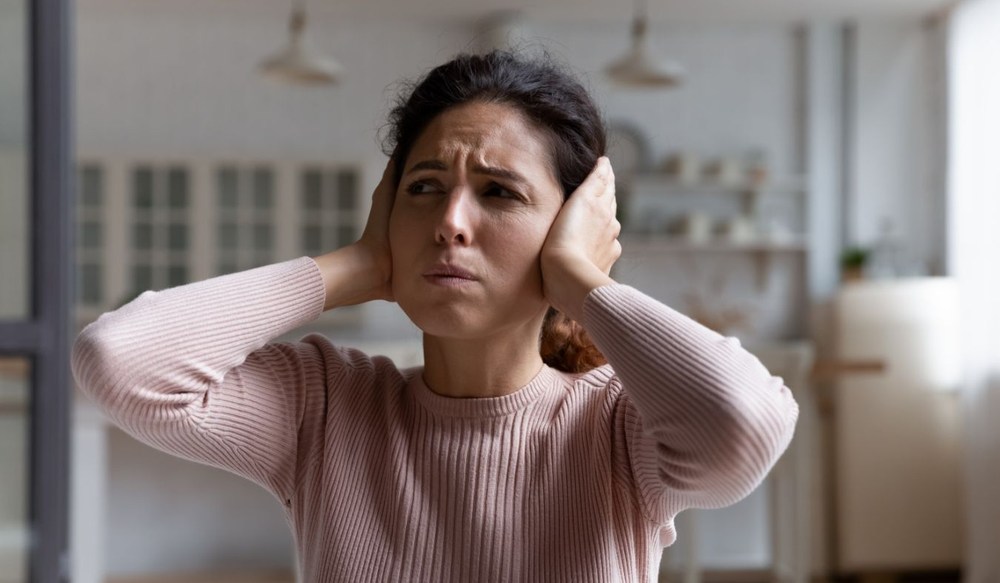
Feeling more tired than usual could be linked to your hearing in ways you might not expect. Many people with hearing loss notice they become exhausted after spending time in social situations, meetings or conversations, yet they don’t always realize why. This type of fatigue is not just emotional but also physical, as your brain works harder than normal to process sound and interpret speech throughout the day.

When hearing becomes more challenging, your brain must constantly focus to fill in missing details and follow conversations, even in familiar environments. This extra effort can leave you feeling mentally drained by the end of the day. Understanding how hearing loss contributes to fatigue helps you recognize that the tiredness you feel has a real cause. Talking with your audiologist about ways to reduce this strain can make communication easier and help conserve your energy over time.

The Connection Between Listening Effort and Feeling Tired

Listening may seem effortless, but when hearing becomes more difficult, it can take a surprising amount of energy. People with hearing loss often use more focus and concentration to follow conversations, especially in noisy settings or group discussions. The brain works harder to piece together incomplete sounds and fill in what was missed, which can lead to both mental and physical fatigue over time. This extra effort can make everyday interactions feel more draining than they used to. Recognizing how closely listening and tiredness are connected helps explain why some people feel worn out after social situations and highlights the importance of addressing hearing challenges early.

Why Background Noise Causes Extra Mental Strain

Background noise can make listening more difficult because the brain has to work harder to separate important sounds from distractions. For people with hearing difficulties, even moderate levels of noise can make understanding speech a challenge. The brain constantly filters out irrelevant sounds while trying to catch every word, which takes significant mental effort. Over time, this extra work can lead to fatigue, frustration and a feeling of being mentally drained, even after short conversations.

Managing background noise is not just about volume but about processing and focusing on the right sounds. In busy environments like restaurants, offices or family gatherings, the effort required to follow conversations can reduce the energy available for other tasks. This mental load can make communication feel stressful and exhausting even when someone is actively trying to participate. Understanding how background noise adds to listening strain shows why minimizing distractions or using hearing support in challenging environments can make a noticeable difference.

The Impact of Visual Cues on Listening Fatigue

When hearing is reduced, many people rely more on visual cues like lip reading, facial expressions and gestures to follow conversations. While these cues are helpful, focusing on them all the time adds extra strain.

Paying close attention to visual details uses more mental energy, especially in group settings or when people do not face you directly. Poor lighting or someone covering their mouth can make it even harder to follow along. This extra effort can add to your overall tiredness by the end of the day.

Social Situations and Increased Tiredness from Hearing Loss

Social gatherings can be enjoyable, but they may also feel more tiring if you have hearing loss. You might notice feeling worn out after spending time with friends or family in a group. In these situations, there are often many voices and background sounds at once. Your brain works harder to keep up with the conversation and follow along, which can use up your energy quickly.

It is common to feel more tired after these events because your mind has been working harder than usual. Taking breaks or finding quieter spots during gatherings can help lower the strain and make social time more comfortable.

How Stress and Anxiety Increase Fatigue from Hearing Loss

Living with hearing loss can sometimes lead to feelings of stress or worry, especially if you are concerned about missing important information or not understanding others. This emotional strain adds another layer of fatigue on top of the mental effort used for listening.

Stress and anxiety can make it harder to relax, both during and after social interactions. You might find yourself replaying conversations in your mind or feeling nervous about future events. These feelings use up even more energy and can leave you feeling more tired than usual.

How Missing Sounds Can Make Concentration Difficult

Missing certain sounds makes it much harder to focus on tasks and conversations. When parts of speech or background cues are unclear, your brain has to work overtime to fill in the blanks.

You might notice that you lose track of conversations more often, need people to repeat themselves or struggle to follow along in meetings or group settings. All this extra mental work can leave you feeling distracted and tired. Over time, even simple activities like reading, watching TV or talking with friends may require much more concentration than before.

Simple Tips to Lessen Listening Fatigue Each Day

Small changes can make a big difference in your energy levels if you have hearing loss. Try taking short breaks when your mind feels tired, even if it is just for a few minutes. Wearing hearing aids as recommended by your audiologist can also help reduce the effort needed to follow conversations. Choose quieter places for important talks and ask others to speak clearly and face you. Good lighting at home or work helps you read lips and facial cues, making listening less stressful.

Knowing When to Visit an Audiologist for Support

Many people wait too long before seeing an audiologist because they think their tiredness is just part of aging or being busy. This delay can make it harder to get the right support and may lead to even more fatigue over time.

If you notice that listening feels much harder than before, or if you feel unusually tired after conversations, consider reaching out for help. An audiologist can check your hearing and suggest ways to make daily life easier, which can reduce tiredness and improve your comfort.

Supporting Your Energy with Hearing Loss

Feeling more tired than usual may be linked to hearing loss and the extra effort your brain puts into listening each day. Small adjustments in your routine and following recommendations for hearing devices can help lower this mental strain.

If you find that conversations or social events are leaving you unusually tired, an audiologist is here to help answer your questions and discuss options that fit your needs. Taking steps toward better hearing support can make daily life feel easier and help restore some of your lost energy.