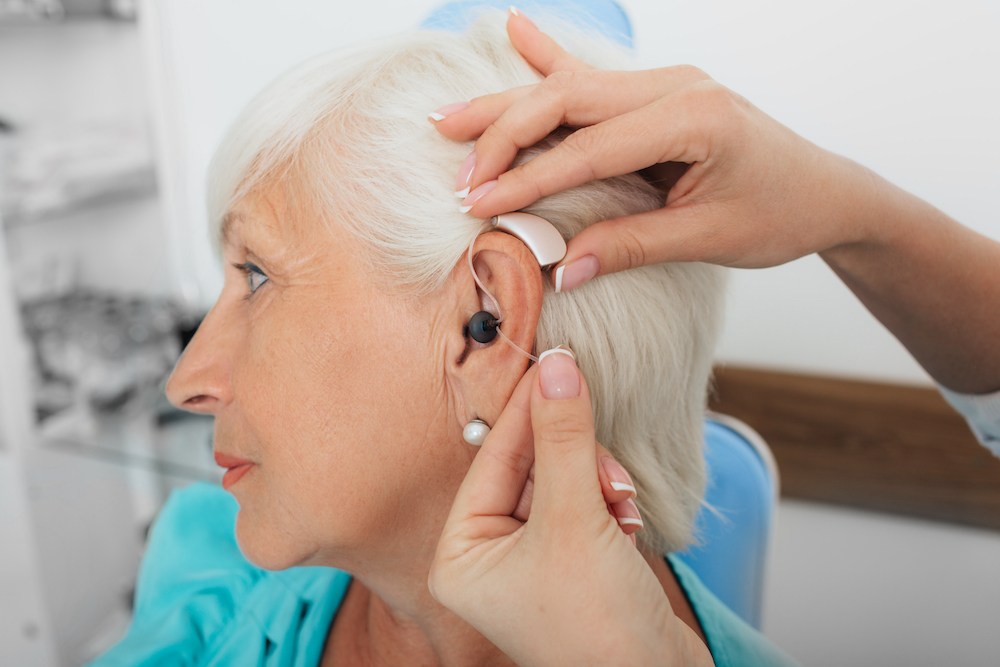
Hearing aids help you hear sounds more clearly in everyday life. Without regular care, they can lose performance, produce unclear sound or even stop working properly.

Taking the time to follow basic cleaning routines can help ensure your devices continue to function as intended, making daily listening easier and more reliable. Understanding these steps allows you to manage your hearing aids and avoid common problems over time.

Why Should You Keep Your Hearing Aids Clean?

Keeping your hearing aids clean is important because dirt, earwax and moisture can build up quickly and affect how well they work. When debris clogs the tiny components, it can make sounds less clear or even cause the device to stop working.

Regular cleaning helps your hearing aids last longer and ensures you continue to hear clearly in everyday situations. Taking a few minutes each day to care for your devices, you can avoid common problems and maintain a more consistent listening experience.

What Are Hearing Aids?

Each hearing aid has several main parts: the microphone, amplifier, battery compartment and speaker. The microphone collects sounds from your surroundings and sends them to the amplifier, which makes them louder.

The speaker then delivers these sounds into your ear, while the battery compartment powers the device. Understanding these parts makes caring for your hearing aids easier.

What Causes Buildup and Blockage in Hearing Aids

Buildup in hearing aids often comes from everyday sources like earwax, sweat or dust. Earwax is the most common cause and can easily block the small openings in your device. Moisture from sweat or humid weather can also collect inside and around your hearing aids.

When these substances gather, they can block sound or cause whistling noises known as feedback. Even small amounts of dust can affect how well your devices work if they get into important parts like the microphone or speaker.

Regular cleaning helps prevent these issues and keeps your hearing aids working as they should.

Choosing the Right Cleaning Tools for Your Hearing Aids

Using the correct tools is important for safe and effective cleaning. Most hearing aids come with a small cleaning kit that includes a soft brush, wax loop and cloth.

These tools are made to remove earwax and dust without damaging any parts. Some kits also include a vent cleaner for small openings.

Avoid using sharp objects like toothpicks or pins, as these can harm your hearing aids. If you need replacement tools or are unsure what to use, an audiologist can recommend the best options for your devices.

Safe Ways to Remove Earwax and Debris from Devices

To remove earwax and debris safely, use a soft, dry cloth or a cleaning brush made for hearing aids. Do not use sharp objects, water or household cleaners, as these can damage your devices.

If you see buildup in small openings like the microphone or speaker, gently clear it with a wax loop or pick from your cleaning kit. Regular gentle cleaning helps keep your hearing aids reliable each day.

Cleaning Methods for Different Styles of Hearing Aids

Different hearing aid styles need different cleaning methods. Behind-the-ear (BTE) models often have earmolds that can be wiped with a soft, damp cloth and tubing that should be checked for moisture or blockages. In-the-ear (ITE) and in-the-canal (ITC) devices are smaller and need gentle brushing around the openings to remove earwax and dust.

Using the right cleaning method for your device helps prevent damage and keeps sound quality high. Skipping proper care steps can lead to more repairs or a shorter device life.

How to Change Wax Guards and Filters

Many hearing aids have wax guards or filters that protect the speaker from earwax buildup. Over time, these guards can become blocked and reduce sound quality. Check them regularly and change them when needed.

To change a wax guard or filter, use the tool provided in your cleaning kit. Remove the old guard carefully and replace it with a new one following your device’s instructions. If you are unsure how to do this, an audiologist can show you the proper steps during your next visit.

How to Protect Hearing Aids from Moisture and Damage

Moisture is one of the main things that can harm hearing aids.

To protect your devices, remove them before showering, swimming or using hair products like sprays and gels. Using a drying kit or dehumidifier overnight can help remove any moisture that builds up during the day.

Store your hearing aids in a safe, dry place when not in use. Avoid leaving them in bathrooms or other damp areas. If your hearing aids do get wet by accident, gently wipe them with a soft cloth and let them air dry completely before using them again. Never use a hair dryer or microwave to speed up drying, as this can cause permanent damage.

How Often You Should Clean Your Devices

Make cleaning and inspecting your hearing aids part of your daily routine. Most devices benefit from a quick check each day and a more thorough cleaning once a week.

Regular care helps you spot small problems before they become bigger issues, like weak sound or blocked microphones. This habit can help prevent unexpected repairs and keep your hearing aids working their best.

Keeping Your Hearing Aids Working Their Best

Taking care of your hearing aids through regular cleaning and careful handling helps you hear clearly and get the most out of your devices each day. When you pay attention to maintenance, your hearing aids are more likely to last longer and perform better.

If you have questions about cleaning methods or notice changes in how your hearing aids work, an audiologist can help. Regular check-ups and professional advice can address small issues before they become larger problems.

If you want to learn more about caring for your devices or if you need a professional cleaning or repair, schedule an appointment with an audiologist. Your comfort and clear hearing matter, and support is always available when you need it.