Many people recognize that alcohol can affect their overall health, but its impact on hearing is less widely discussed. While having a drink on occasion may not seem concerning, frequent or heavy alcohol use can gradually influence how well your ears and brain process sound. These effects often develop slowly, making them easy to overlook until hearing changes become more noticeable. Learning about the connection between alcohol consumption and hearing health can help you make informed choices about your long-term well-being.

Alcohol can interfere with both the inner ear and the brain’s ability to interpret sound, which are essential parts of how we hear and understand speech. Over time, these effects may alter how sound is perceived or how clearly you can distinguish voices in noisy environments. Because lifestyle habits play a role in hearing health, audiologists often consider factors like alcohol use during evaluations. Recognizing this connection allows you to take a more proactive approach to protecting your hearing and maintaining better communication in daily life.

How Alcohol Consumption Affects Your Ears

Alcohol can affect your ears by interfering with how sound is detected and transmitted through the auditory system. The inner ear contains tiny hair cells that convert sound waves into signals for the brain, and these cells are especially sensitive to changes in blood flow and chemical balance. When alcohol enters the bloodstream, it can reduce oxygen supply and alter the fluid composition in the inner ear, which may temporarily distort how sounds are heard. Over time, frequent or heavy drinking can damage these delicate cells, leading to lasting changes in hearing clarity or balance. Some people also notice ringing in the ears, known as tinnitus, after drinking. These effects can vary from person to person but understanding how alcohol interacts with your auditory system is an important step toward protecting your long-term hearing health.

How Alcohol Affects Balance and the Inner Ear

Alcohol can disrupt your sense of balance by affecting how the inner ear communicates with the brain. The inner ear contains a system of fluid-filled canals that help detect movement and maintain stability. When alcohol enters the bloodstream, it changes the density and flow of this fluid, sending inaccurate signals to the brain about your body’s position. This is why you might feel dizzy or unsteady after drinking. The effect can last even after the alcohol leaves your system, as the inner ear needs time to rebalance. For those who already experience balance issues or hearing loss, alcohol can make these symptoms more noticeable, highlighting the close connection between your hearing, balance and overall coordination.

The Impact of Alcohol-Related Dehydration on Ear Health

Alcohol is known to cause dehydration, and this effect can extend to the delicate systems within your ears. When your body loses fluids, the inner ear’s balance of electrolytes and fluids can be disrupted, affecting how sound and movement are processed. This imbalance may lead to symptoms like dizziness, ringing in the ears or a temporary sense of fullness. Over time, repeated dehydration from frequent alcohol use can place stress on the auditory system, making it harder for the inner ear to function properly. Staying hydrated and being mindful of alcohol intake can help protect both your hearing and your overall ear health.

Warning Signs That Drinking May Be Affecting Your Hearing

Not everyone immediately connects changes in their hearing to alcohol use, but over time, drinking can have subtle effects that become more noticeable. Because alcohol influences both the brain and the inner ear, early signs often appear gradually and may be mistaken for temporary issues like fatigue or congestion. Paying attention to these changes is important, especially if you drink regularly. If you notice that certain situations or habits seem to make hearing more difficult, it could be a sign that alcohol is beginning to affect your auditory system. Some common warning signs to look out for include:

  • Difficulty understanding speech in noisy settings.
  • Ringing or buzzing sounds in the ears after drinking.
  • Needing to turn up the volume on devices more often.
  • Feeling dizzy, lightheaded or off balance.
  • Muffled hearing that seems to come and go.
  • Slower reaction to sounds or difficulty localizing where sounds come from.

Practical Steps to Reduce Hearing Risks When Drinking Alcohol

You can take simple steps to lower your risk of hearing problems when drinking alcohol:

  • Set a limit for how much you will drink before you start.
  • Drink water or non-alcoholic drinks between alcoholic beverages.
  • Avoid loud places when drinking or use ear protection if you cannot avoid noise.

Building Lifelong Habits for Stronger Hearing Health

Protecting your hearing over time often comes down to building small, consistent habits that support long-term ear health. Staying hydrated, maintaining a balanced diet and getting regular exercise all help keep blood flow steady to the inner ear, which is essential for healthy hearing. Managing stress and avoiding exposure to loud environments can also prevent unnecessary strain on your auditory system. Scheduling routine hearing checkups allows you to catch changes early and make adjustments before problems progress. Even simple choices, like using ear protection during concerts or noisy tasks, can make a lasting difference.

Making Smart Choices for Better Hearing Health

Protecting your hearing is an ongoing process and understanding how alcohol affects your ears is a key part of maintaining good hearing health. Staying aware of the signs that drinking may be impacting your hearing and making thoughtful choices, you can reduce risks now and in the future. Even small changes, like setting limits on alcohol or choosing quieter environments, can make a real difference.

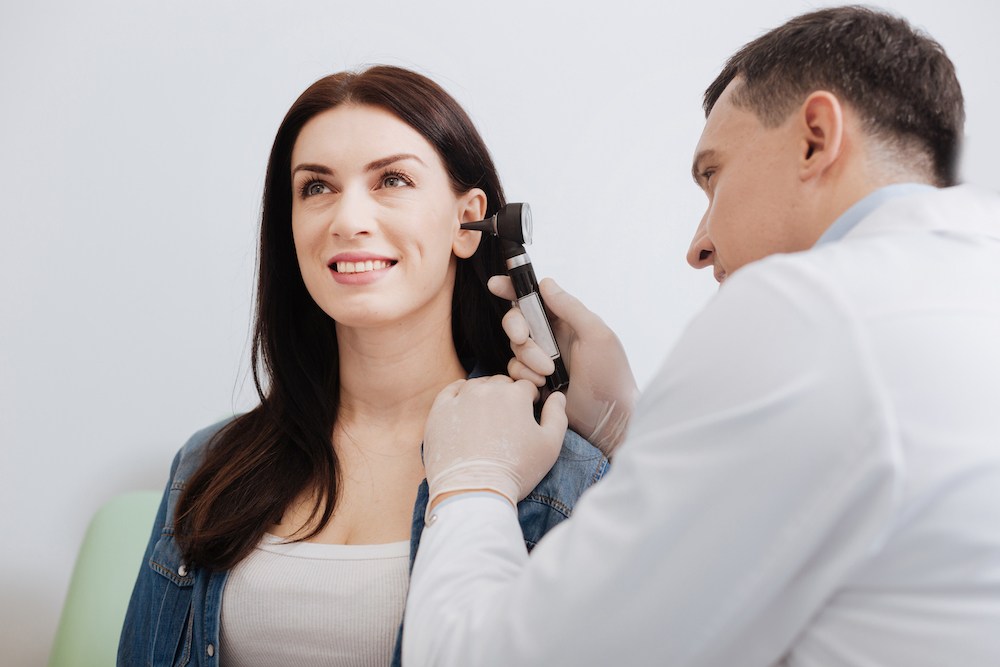
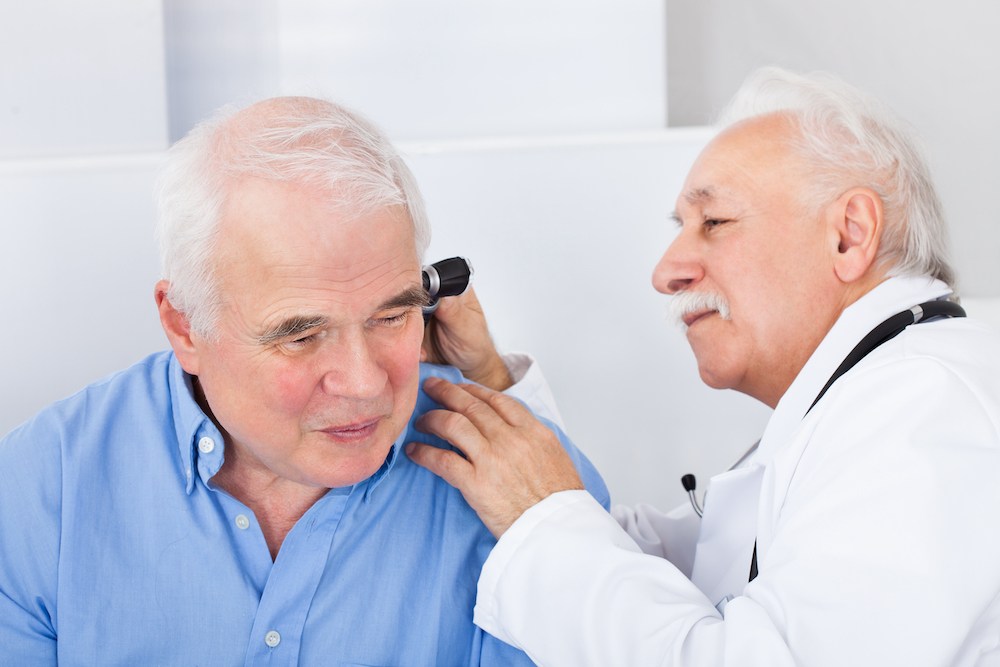
If you have noticed changes in your hearing or want more information about protecting your hearing health, schedule an appointment with an audiologist. Regular check-ups can catch problems early and provide advice tailored to your needs. Taking steps today helps support healthy hearing for years ahead.