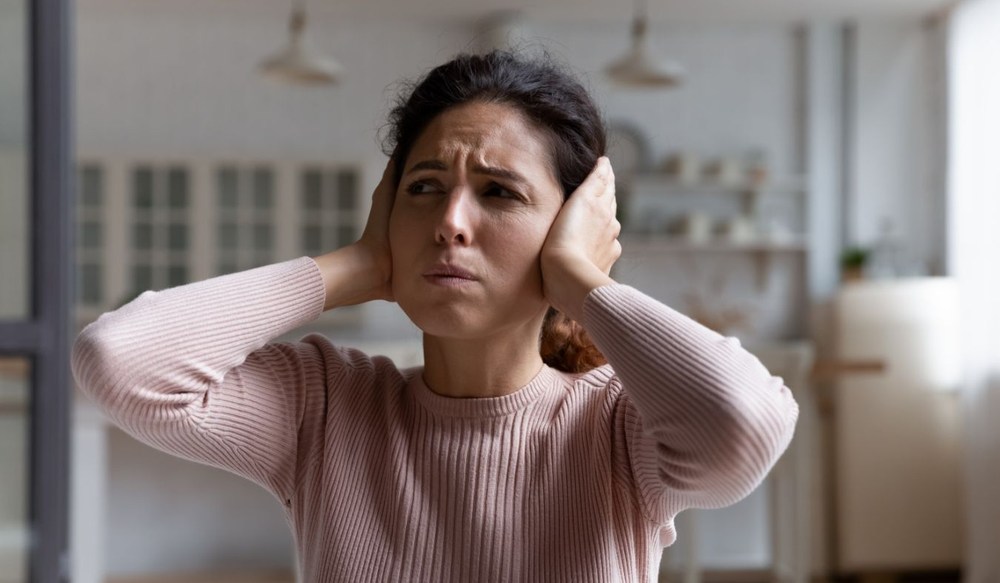
Men tend to experience hearing loss earlier and more quickly than women due to a combination of biological and lifestyle factors. Differences in hormones and genetics can make men’s ears more vulnerable to damage over time, while work environments or hobbies that involve loud noises, like construction, mechanics or certain recreational activities, can add extra strain.

Understanding these risks can help men stay aware of changes in their hearing and take steps to protect it before problems become more serious. Paying attention early makes it easier to maintain hearing health and respond to any issues that arise.

How Hearing Functions Differently in Men and Women

Men and women process sound in slightly different ways, partly due to biological differences in the ear and brain.

Research suggests that women often have more sensitive hearing in certain high-frequency ranges, which can make it easier to detect subtle sounds. Men’s hearing may be more vulnerable to decline over time, especially in environments with frequent loud noise exposure. These differences mean that men and women may experience changes in hearing at different rates and in different ways.

Hormones also play a role in how hearing develops and changes over a lifetime. Estrogen, for example, may offer some protection to women’s hearing, while men do not have the same hormonal benefit.

Genetics and other biological factors can influence how the inner ear responds to sound and recovers from noise exposure. Understanding these distinctions can help both men and women take steps to monitor and protect their hearing more effectively.

How Lifestyle and Work Environments Affect Hearing in Men and Women

Daily noise exposure plays a large role in the differences between men’s and women’s hearing as they age. Many men work in jobs that involve loud machinery or tools, like construction, manufacturing or farming. Over time, this regular exposure can damage the tiny hair cells in your ears that are essential for hearing.

Women are often less likely to work in these noisy environments, which may reduce their risk. However, anyone who listens to loud music through headphones or attends concerts frequently can also be affected. Wearing hearing protection around loud sounds is a simple and effective way to protect your hearing.

Outside of work, hobbies and activities can also impact hearing health. Activities like hunting or using power tools at home expose you to sudden loud noises that may harm your ears. Paying attention to volume levels during everyday activities is important for everyone, regardless of age or gender.

Aging and Its Impact on Hearing for Both Genders

As you age, changes in hearing are common for both men and women, but they do not always happen at the same rate. The tiny hair cells in your inner ear can wear down over time, making it harder to pick up certain sounds. This process often begins in your 40s or 50s.

Being aware of age-related hearing changes helps you spot early signs and take steps to protect your hearing. Some people find that wearing hearing aids or other devices helps them stay connected with loved ones. Without support, it can be easy to miss out on conversations or feel left out in social settings.

Regular check-ups with an audiologist help catch changes early and provide more options for care.

How Medication Can Affect Hearing

Some medications can affect your hearing over time. Certain antibiotics, chemotherapy drugs and medicines for heart problems may have side effects that impact the inner ear. Men may be prescribed these medications more often due to age-related health issues like high blood pressure or heart disease.

If you are starting a new medication, ask your doctor about possible effects on your hearing. Report any ringing in your ears or sudden changes in hearing to your audiologist right away. Addressing these issues early can help prevent further problems.

The Impact of Cardiovascular Health on Hearing

Heart health is closely linked to hearing health. Good blood flow is necessary for the inner ear to function well. Men are often at higher risk for heart problems such as high blood pressure and heart disease, which can also increase the chance of hearing changes.

Staying active, eating a balanced diet and managing stress all support both heart and ear health. If you have heart problems or diabetes, regular visits with your doctor and an audiologist are important for monitoring any changes.

Daily Noise Exposure and Its Effect on Men’s Hearing

Daily noise exposure can have a noticeable impact on men’s hearing, especially when loud sounds are part of work routines or hobbies. Jobs in fields like construction, manufacturing or maintenance often involve equipment that reaches levels high enough to strain the ears over time.

Recreational activities like using power tools, riding motorcycles or attending loud sporting events can add to that stress. When these sounds become a regular part of everyday life, the effect can lead to earlier changes in hearing, making it important for men to pay attention to their noise exposure and take steps to protect their ears.

Early Warning Signs of Hearing Changes in Men

Early signs of hearing changes in men are often easy to overlook. You might find yourself asking people to repeat themselves or turning up the television volume more often.

Difficulty following conversations in busy places or missing certain sounds, like birds singing or phones ringing, are also signs to watch for. Feeling tired after social events because listening requires more effort is another possible indicator.

If these signs seem familiar, consider speaking with an audiologist. Addressing changes early can help you take steps to protect your hearing health.

Practical Ways to Protect Your Hearing as You Age

There are practical steps you can take to protect your hearing as you get older. Use earplugs or earmuffs when exposed to loud sounds, like at concerts or when using power tools. Lowering the volume on headphones and taking breaks from noisy environments also helps keep your ears safe.

Regular hearing checks with your audiologist are a smart way to catch changes early. Staying aware of everyday noise levels and making small adjustments can help keep your hearing stronger for longer.

Taking Steps Toward Better Hearing Health for Everyone

Understanding the reasons behind differences in hearing loss between men and women can help you make informed choices about your own hearing health. Factors like daily noise exposure, workplace environments and biological differences all play a part in how hearing changes over time.

While men may notice signs of hearing loss earlier due to certain risks, everyone benefits from being aware of early warning signs and taking steps to protect their ears.

If you have noticed changes in your hearing or want guidance on how lifestyle or work habits might affect you, schedule an appointment with an audiologist. Regular check-ups can identify problems early and provide support tailored to your needs.